
Sun damage & pigmentation
TreatmentsPigment protocols, peels, prescription topicals
Visitor pathQuiz → consult brief → booking handoff
Concern-led discovery, educational content, interactive tools that aid understanding without pretending to diagnose, and a consultation booking flow that sets expectations clearly.

Fictional clinic landing page built end to end by ClixFeed to demonstrate how treatment information, clinician credibility, and booking can coexist without tipping into clinical claims.
This is a self-contained interactive prototype. Form submissions and bookings stay in-browser — they are not stored.Lumen Clinic — live concept ↗
Clinic websites operate under tension. Marketing wants warmth and conversion. Clinical leadership wants accuracy and compliance. Visitors want answers to personal concerns — often on a phone, often at night, often before they are ready to call.
Lumen Clinic was built to explore how an aesthetic dermatology practice might structure a premium digital experience. It is part of ClixFeed's industry exploration — showing range in a regulated, trust-sensitive category without inventing patient testimonials or treatment statistics.
A clinic site in this space must satisfy all five. The concept optimises for those jobs, not for maximum content volume.
The page order follows trust building rather than service listing. Every section exists to remove one specific doubt.
| # | Section | Role |
|---|---|---|
| 01 | Hero | Premium positioning, primary booking CTA |
| 02 | Concern selector | Maps visitor language to treatment areas |
| 03 | Treatments | Service detail with restrained claims |
| 04 | Before/after module | Interactive evidence pattern (illustrative) |
| 05 | Skin quiz | Qualification and education handoff |
| 06 | Skin Notes | Article drawer — general educational content |
| 07 | Team & credentials | Trust without testimonial fabrication |
| 08 | Booking | Consultation request with generated availability |
| 09 | Policies | Privacy-forward footer links |
Scroll orderRecognise my concern → understand the option → trust the team → book a consultation.
A skin practice and a person with a concern do not start in the same vocabulary. The four client-language concerns below are the entry points the page was built around — each becomes a treatment category, an educational path, and a consultation brief.
TreatmentsPigment protocols, peels, prescription topicals
Visitor pathQuiz → consult brief → booking handoff
TreatmentsTreatment plans, formulation, lifestyle context
Visitor pathSkin Notes primer → team intro → consult
TreatmentsResurfacing, injectables, at-home routines
Visitor pathBefore/after pattern → FAQ → booking
TreatmentsBarrier programmes, gentle clinical options
Visitor pathConcern selector → ingredient primer → consult
Five decisions keep the site useful without crossing into clinical overclaiming.
Quiz results hand off to booking with context, demonstrating how personalisation can stay responsible in a regulated category.
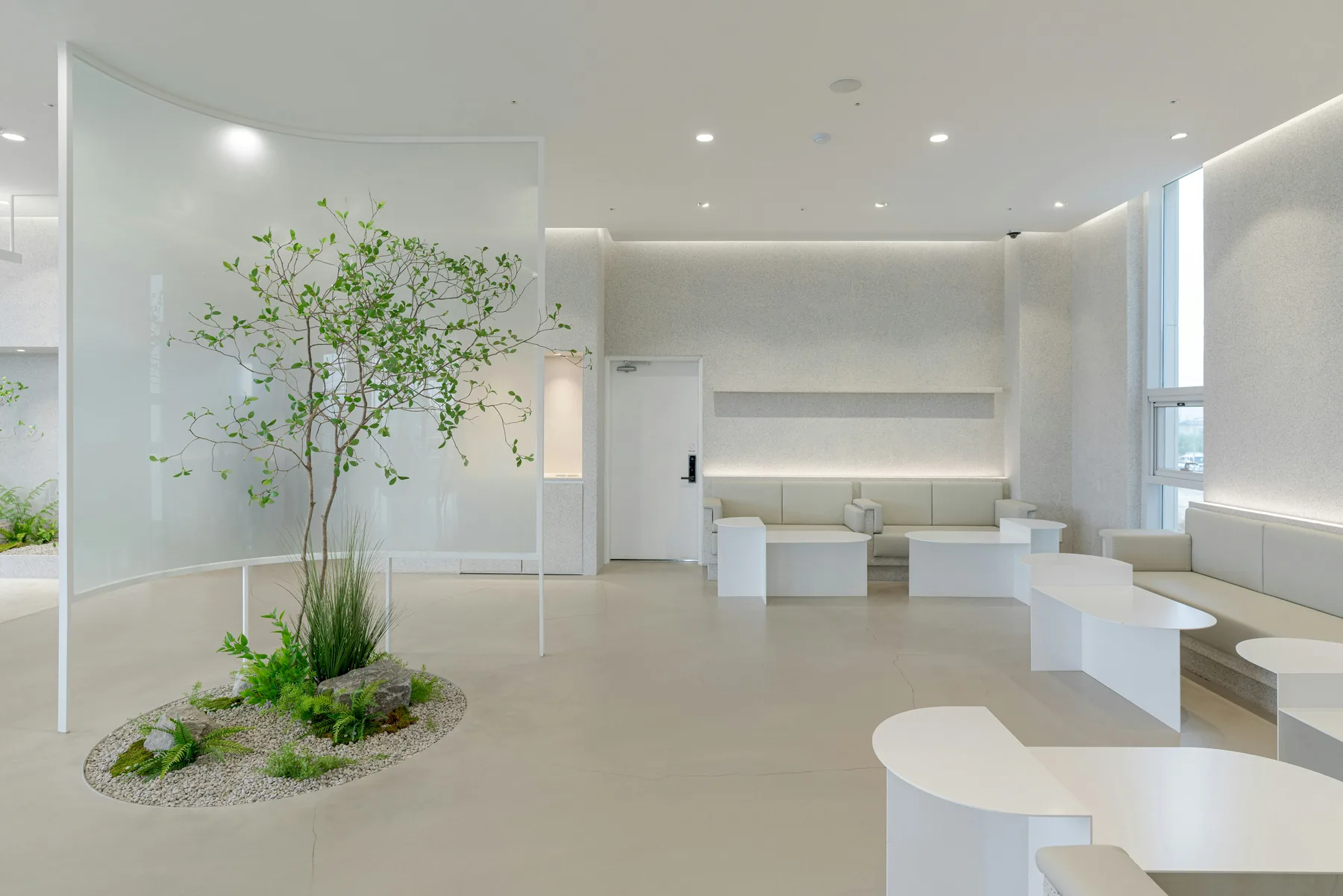
Soft neutrals, editorial typography, generous spacing, and photography that feels human without stock-smile clichés. The palette deliberately avoids the purple-gradient med-spa template trope — texture and light do the premium signalling.
Primary action: book a consultation, repeated in the header and at the post-quiz handoff. Secondary: read Skin Notes or explore concerns — for visitors not ready to book.
For clinics, skin practices, dental aesthetics, and wellness operators repositioning upscale or launching a new treatment line.
Navigation that matches visitor psychology — problems first, procedures second.
Tools that support conversion without irresponsible claims or implied diagnosis.
Multi-step qualification built as a genuine handoff to booking, not a gimmick.
Full flow validated in-browser ahead of practice-software integration.
Mobile and desktop compositions that hold tone without leaning on stock clichés.
No fake reviews, no invented patient numbers — credibility built from structure instead.
This concept is a design portfolio piece. ClixFeed builds marketing websites — not clinical systems. We collaborate with your compliance contacts; we do not replace them.
Trust is the sum of coherence: who you are, what you do, and how easy you make the next step.
That a clinic site can educate, qualify, and route visitors toward consultation booking while clearly labelling fictional content and avoiding medical claims or patient outcome fabrication.
Send your treatments, audience, and compliance constraints — we'll come back with a scope outline you can take to clinical leadership.